OSHA’s Fatal Four (falls, struck-by, caught-in/between, electrocution) have accounted for a majority of private-sector construction deaths in recent OSHA reporting. Falls alone lead the list, which is why most safety topics for construction crews start at the leading edge. This roundup covers six tools that help you run those topics: four software platforms for tracking talks, inspections and incidents, and two pieces of gear for the fall-protection conversation.
We judged each pick on three things: how fast a foreman can use it on a phone with gloves on, whether it holds up across multiple subs, and what it does badly. Prices are described by model only. Confirm current figures with each vendor, and bring in your safety director, a licensed safety professional or a construction attorney before you change any compliance program.
Table of contents
- Top picks by use case
- 1. HammerTech: Best for multi-sub sites
- Best use case
- What stands out
- Watch-outs
- Bottom line
- 2. Procore: Safety inside the whole project stack
- Best use case
- What stands out
- Watch-outs
- Bottom line
- 3. SafetyCulture: Best for custom checklists
- Best use case
- What stands out
- Watch-outs
- Bottom line
- 4. Safesite: Best for quick talks and incident logs
- Best use case
- What stands out
- Watch-outs
- Bottom line
- 5. 3M DBI-SALA Full-Body Harnesses: Gear for the fall talk
- Best use case
- What stands out
- Watch-outs
- Bottom line
- 6. Werner Fiberglass Ladders: Gear for the ladder talk
- Best use case
- What stands out
- Watch-outs
- Bottom line
- Feature-by-feature
- Matching the tool to the job
- Who should skip these
- Closing the loop on field safety
- Frequently asked questions
- What are the most important safety topics for construction crews?
- How often should we hold toolbox talks?
- Is free safety software good enough?
- Do these tools replace a safety manager?
- Who should review our safety program?
Top safety topics for construction: picks by use case
| Rank | Product | Best for | Price |
|---|---|---|---|
| 1 | HammerTech Editor’s pick | Multi-sub safety and worker onboarding | Custom quote |
| 2 | Procore | Safety inside a full project platform | Custom quote |
| 3 | SafetyCulture (iAuditor) | Custom field inspection checklists | Free tier, then paid plans |
| 4 | Safesite | Fast toolbox talks and incident logs | Free tier, then paid plans |
| 5 | 3M DBI-SALA Full-Body Harnesses | Fall-arrest gear for the fall talk | Mid-range to premium |
| 6 | Werner Fiberglass Ladders | Ladder safety around electrical work | Budget to mid-range |
For a deeper list of talk topics to run with these tools, see our construction safety topics rundown.
1. HammerTech: Best for multi-sub sites
Editor’s pick: HammerTech ties worker onboarding to site access, so a sub’s unqualified hand never reaches your gate.
Best use case
You run a mid-size GC with 15 to 40 subs on a job and need proof that every worker was oriented before stepping on the slab. Think a four-story mixed-use build with a rotating cast of trades.
What stands out
- Orientation and credential checks happen before arrival, not at the gate.
- Site access can be blocked when a card or certification lapses.
- Toolbox talks and observations roll into one dashboard.
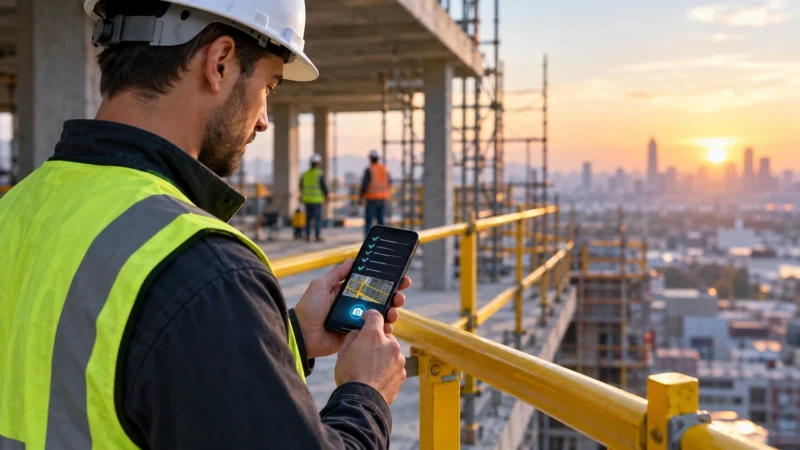
- Mobile check-in works on a tablet at the gate.
- Reports sort by sub, so your safety director sees who is lagging.
- Plans include Standard, HammerTech GO and Enterprise. All are custom-quoted, and GO scales by annual construction revenue.
Watch-outs
Pricing is quote-only, so you cannot compare it in an afternoon. Small shops running one sub per job will find it heavier than they need.
Bottom line
If subcontractor compliance is your biggest exposure, this is the one to demo first. See HammerTech for plan details.
2. Procore: Safety inside the whole project stack
Best use case
You already run RFIs, submittals and daily logs in one system and want safety observations living next to them. A superintendent who logs a guardrail deficiency can tie it to the same punch list the sub is already working.
What stands out
Procore bundles safety into a broader platform, so incident data sits beside schedule and cost. Pricing follows annual construction volume and is custom-quoted. Its pricing page explains the model.
Watch-outs
Safety is one module among many. Dedicated safety tools usually go deeper on orientation and credential checks. Teams that only want safety will pay for a platform they barely use.
Bottom line
Choose it when safety is one piece of a company-wide system, not the reason you are shopping.
3. SafetyCulture: Best for custom checklists
Best use case
Your safety manager writes the checklists, not a vendor. A 12-person framing outfit can build a daily scaffold inspection in an afternoon and run it offline in a basement.
What stands out
SafetyCulture, formerly iAuditor, lets you build inspection templates with photo capture and sign-off. It offers a free tier, then paid plans. Offline mode matters on sites with poor signal. Corrective actions assign to a named person with a due date.
Watch-outs
It is a general inspection tool, not construction-specific. There is no built-in orientation or site-access control, so you will bolt those on elsewhere.
Bottom line
Strong for self-built checklists. Weak if you want a ready-made construction workflow.
4. Safesite: Best for quick talks and incident logs
Best use case
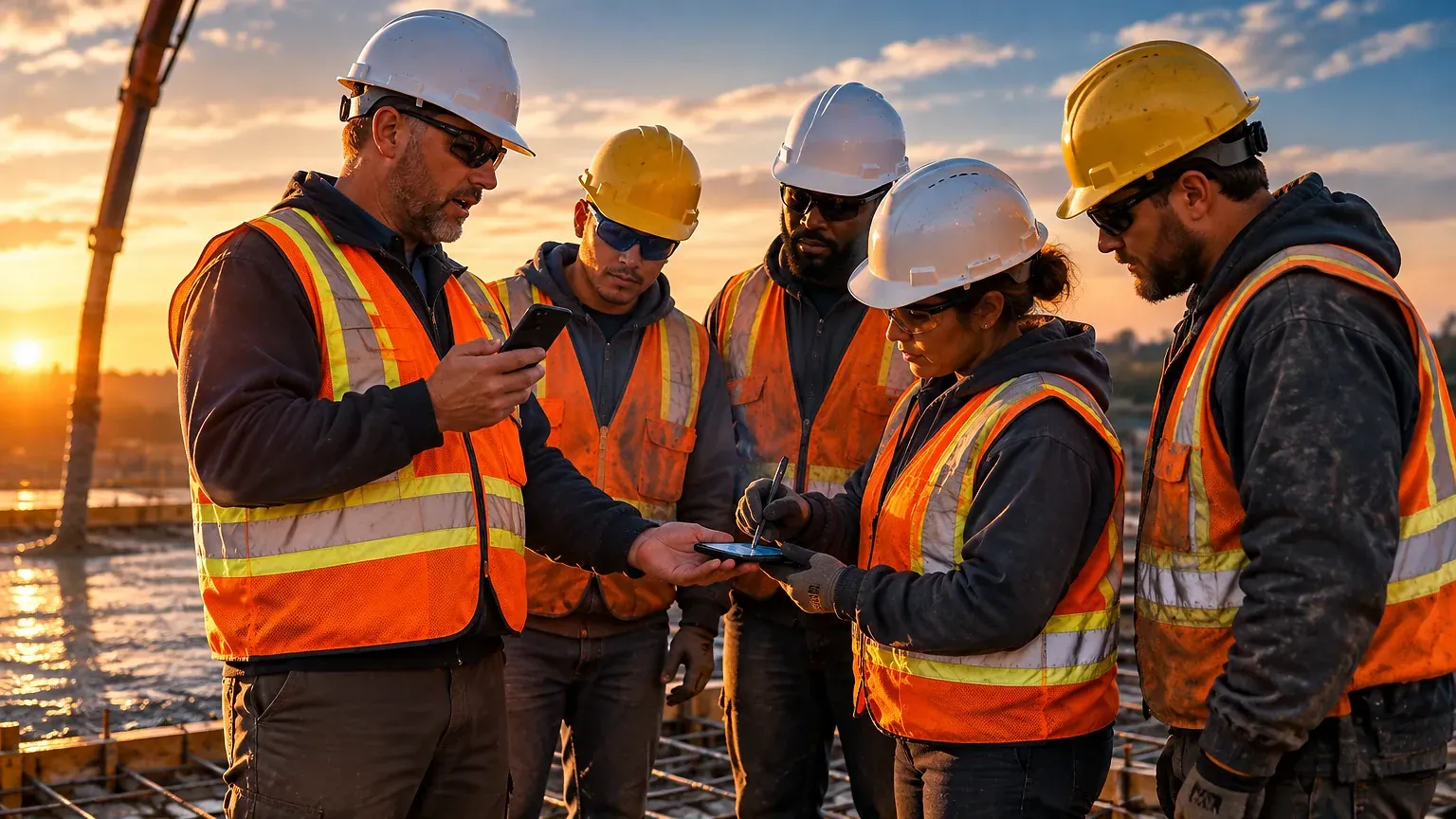
A foreman has five minutes before a pour and needs a toolbox talk with a signature sheet. Safesite is built for that moment: pick a topic, read it aloud, collect crew sign-offs on a phone.
What stands out
It offers a free tier, then paid plans. The talk library covers common topics like ladders, heat illness and trenching. Near-miss and incident forms take under two minutes to file. Photos attach directly.
Watch-outs
Reporting depth is thinner than the enterprise platforms. If you need subcontractor scorecards across a dozen projects, you will outgrow it.
Bottom line
A solid starter for small and mid-size crews who need records, not analytics.
5. 3M DBI-SALA Full-Body Harnesses: Gear for the fall talk
Best use case
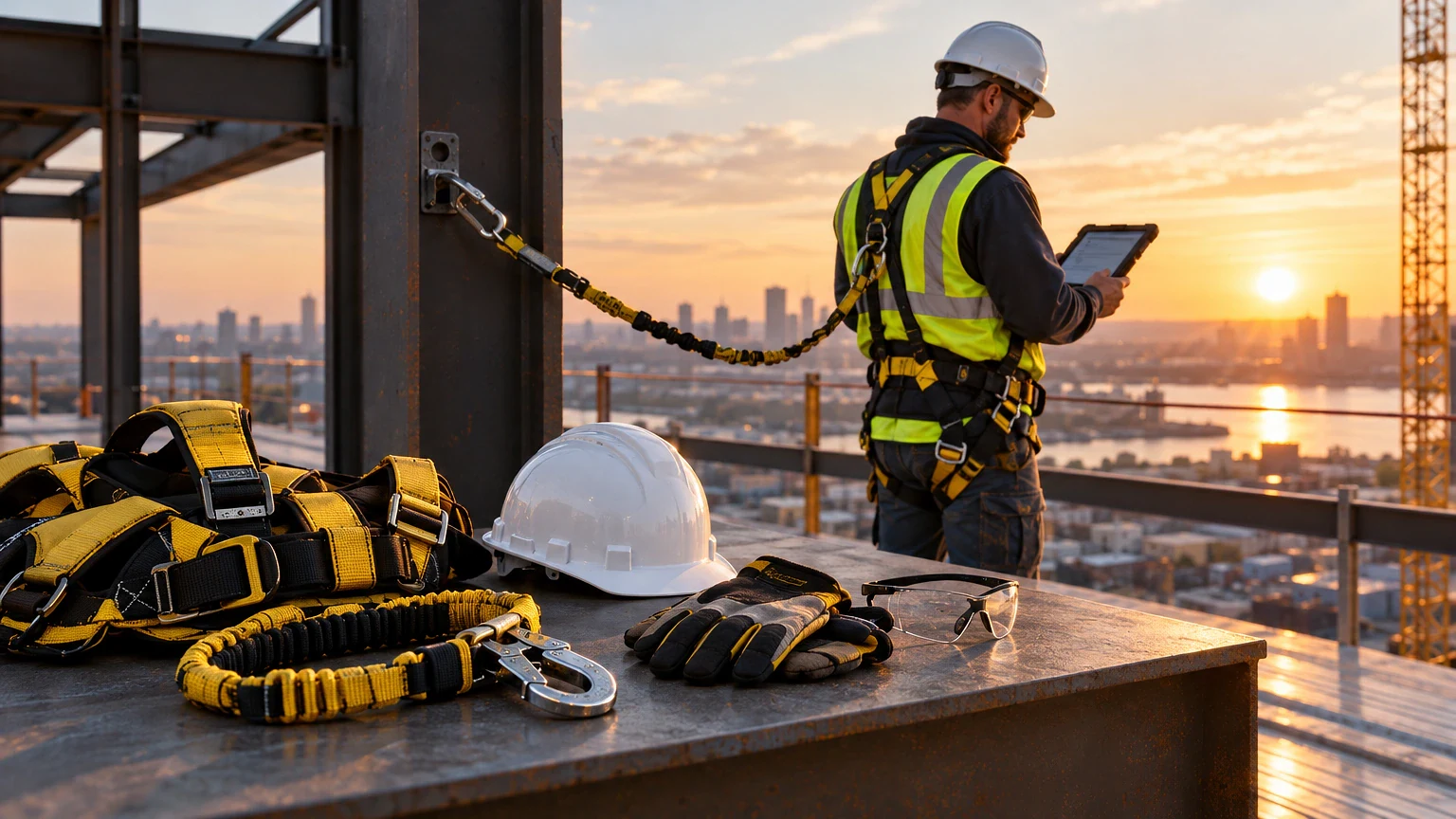
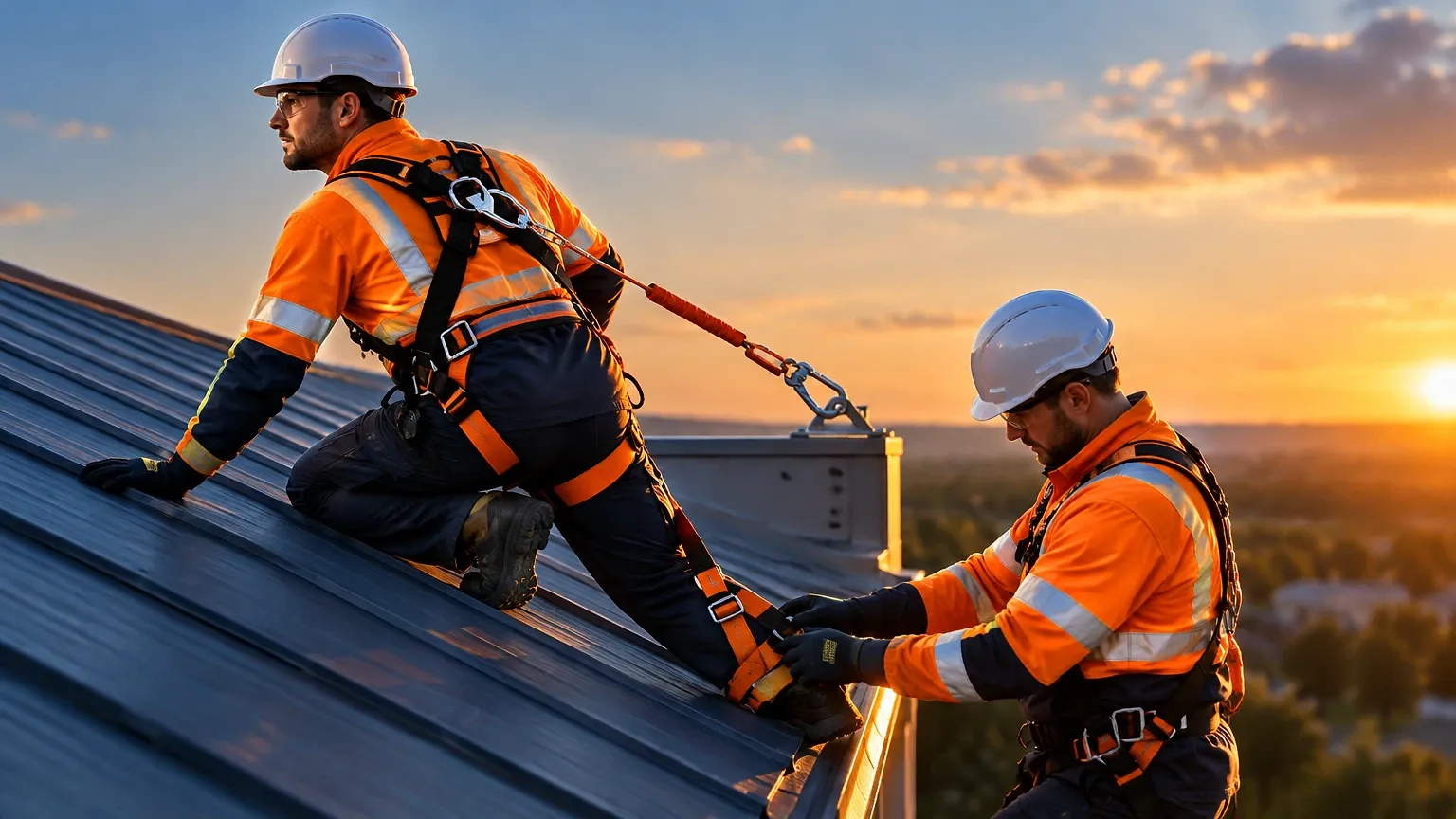
Your toolbox talk on falls only lands if the crew has gear that fits. A roofing crew of eight working 6 feet or more above a lower level needs harnesses sized to each worker, not one-size guesses.
What stands out
3M’s DBI-SALA line is a long-standing fall-protection brand in construction. Prices run mid-range to premium by model. Look for padded legs, a dorsal D-ring and clear sizing labels. Inspect webbing, stitching and hardware before every use.
Watch-outs
A harness is only one part of a system. Anchorage, lanyards and rescue planning matter just as much. Have a qualified person confirm your anchor points and fall-protection plan, and talk to your safety professional about rescue.
Bottom line
Good gear, but buy the system, not the vest.
6. Werner Fiberglass Ladders: Gear for the ladder talk
Best use case
Electrical and finish crews working near energized lines need non-conductive ladders. Werner fiberglass models are a common choice, with prices from budget to mid-range depending on duty rating.
What stands out
Check the duty rating label before the crew uses it. Type IA (300 lb) and Type IAA (375 lb) are common on commercial sites. Fiberglass rails resist conducting electricity when clean and undamaged.
Watch-outs
Fiberglass is heavier than aluminum and can degrade in sun and weather. Damaged or dirty rails lose their protection. Retire any ladder with cracks or fiber bloom.
Bottom line
Right tool near electrical hazards, wrong tool if weight is your main concern.
Feature-by-feature
| Product | Price | Best for | Standout feature |
|---|---|---|---|
| HammerTech | Custom quote | Multi-sub sites | Orientation tied to site access |
| Procore | Custom quote | Full project suite | Safety next to cost and schedule |
| SafetyCulture | Free tier, then paid | Custom checklists | Offline template builder |
| Safesite | Free tier, then paid | Toolbox talks | Fast sign-off on a phone |
| 3M DBI-SALA | Mid-range to premium | Fall protection | Broad harness range |
| Werner Fiberglass | Budget to mid-range | Electrical-area ladders | Non-conductive rails |
Matching safety topics for construction to the right tool
Start with your biggest exposure. If it is sub compliance on a multi-trade build, demo HammerTech. If you want safety next to your schedule and budgets, price out Procore.
Small crew, tight budget? SafetyCulture or Safesite gets records started cheaply. Pair either with gear that matches your hazard of the week.
Who should skip these
Skip the enterprise platforms if you run fewer than five subs a job. Skip software entirely if nobody will open it. A clipboard and a signed sheet beats an app the crew ignores.
Closing the loop on safety topics for construction
Software records the talk. It does not give the talk. Pick one tool, run it on one job for 30 days and see whether your foremen use it without being chased.
Update your program with your safety director, and ask a construction attorney or your AHJ about any rule you are unsure of. For topic ideas, return to our construction safety topics rundown. Confirm current pricing directly with each vendor before you commit.
Frequently asked questions
What are the most important safety topics for construction crews?
Start with falls, struck-by, caught-in/between and electrocution. These are OSHA’s Fatal Four. Add heat illness, trenching, ladder use and hazard communication based on your current work.
How often should we hold toolbox talks?
Weekly is common, and many GCs run a short one daily before the pour or lift. Your contract, insurer or state program may set a minimum. Confirm with your safety director.
Is free safety software good enough?
For a small crew, often yes. SafetyCulture and Safesite offer free tiers that cover talks, inspections and incident logs. You will outgrow them when you need sub scorecards or site-access control.
Do these tools replace a safety manager?
No. They store records and flag gaps. A qualified person still runs the program, investigates incidents and signs off on fall-protection plans.
Who should review our safety program?
Your safety director, a licensed safety professional and a construction attorney for legal questions. Contact your AHJ for local code requirements.